Trustworthy AI for Intelligent Systems

Designing Smart, Reliable, and Interpretable Systems.

SRIS Lab integrates logic, physics, and learning to build trustworthy intelligent systems for advanced manufacturing, safety-critical autonomy, and health-aware infrastructure.

Our methodology unifies Signal Temporal Logic, causal inference, and physics-guided priors to support interpretable diagnosis, verifiable machine learning, safe autonomy, and fleet-level prognostics.

Neuro-symbolic AI Physics-guided diagnosis Safe robot autonomy
SRIS Laboratory SCUT · GZIC
Logic + Learning
Interpretable and certifiable AI pipelines
PHM + Control
Diagnosis, prediction, and decision-making
Robotics
Safe autonomy and human-centered systems
Critical Systems
Manufacturing and infrastructure applications
South China University of Technology · Guangzhou International Campus
Research philosophy
From formal semantics to deployable engineering systems
Method stack
Temporal logic · Causality · Physics-guided learning
Application domains
Manufacturing, robotics, PHM, and resilient infrastructure
Lab value
Interpretability, reliability, and safety by design
Research Thrusts

Three tightly coupled directions

01 · Foundations

Neuro-Symbolic Foundation Models

Integrating logical constraints, causal structure, and learned representations for trustworthy industrial intelligence.

  • STL-regularized pretraining and rule distillation
  • Machine-checkable rationales and audit-ready outputs
  • Scalable multimodal learning with structured priors
02 · Diagnosis

Causal-Logic Prognostics and Health Management

Combining physics-guided features and temporal logic abstractions to reconstruct degradation pathways and support intervention decisions.

  • Fault propagation tracing across components and fleets
  • Interpretable diagnosis with causal and temporal evidence
  • Cost-aware maintenance decision support
03 · Safe Autonomy

STL-Driven Safe Robotics and Autonomy

Safe-by-design planning and control frameworks for mobile manipulation, human-centered robotics, and embodied intelligent systems.

  • Contract-based planning and control synthesis
  • Reference governors, CBFs, and residual RL
  • Fast deployment under explicit safety guarantees
Lab Highlights

Research, people, and systems in one visual narrative.

The carousel should not feel like a generic gallery. It should communicate research environment, technical identity, and application relevance at a glance.

Visit Gallery
Campus & TeamEnvironment and academic community
MethodsLogic, learning, and physics integration
SystemsFrom algorithms to deployable platforms
ImpactTrustworthy intelligence for engineering
  • Graduation and Campus View
    Academic Community

    Graduation and Lab Culture

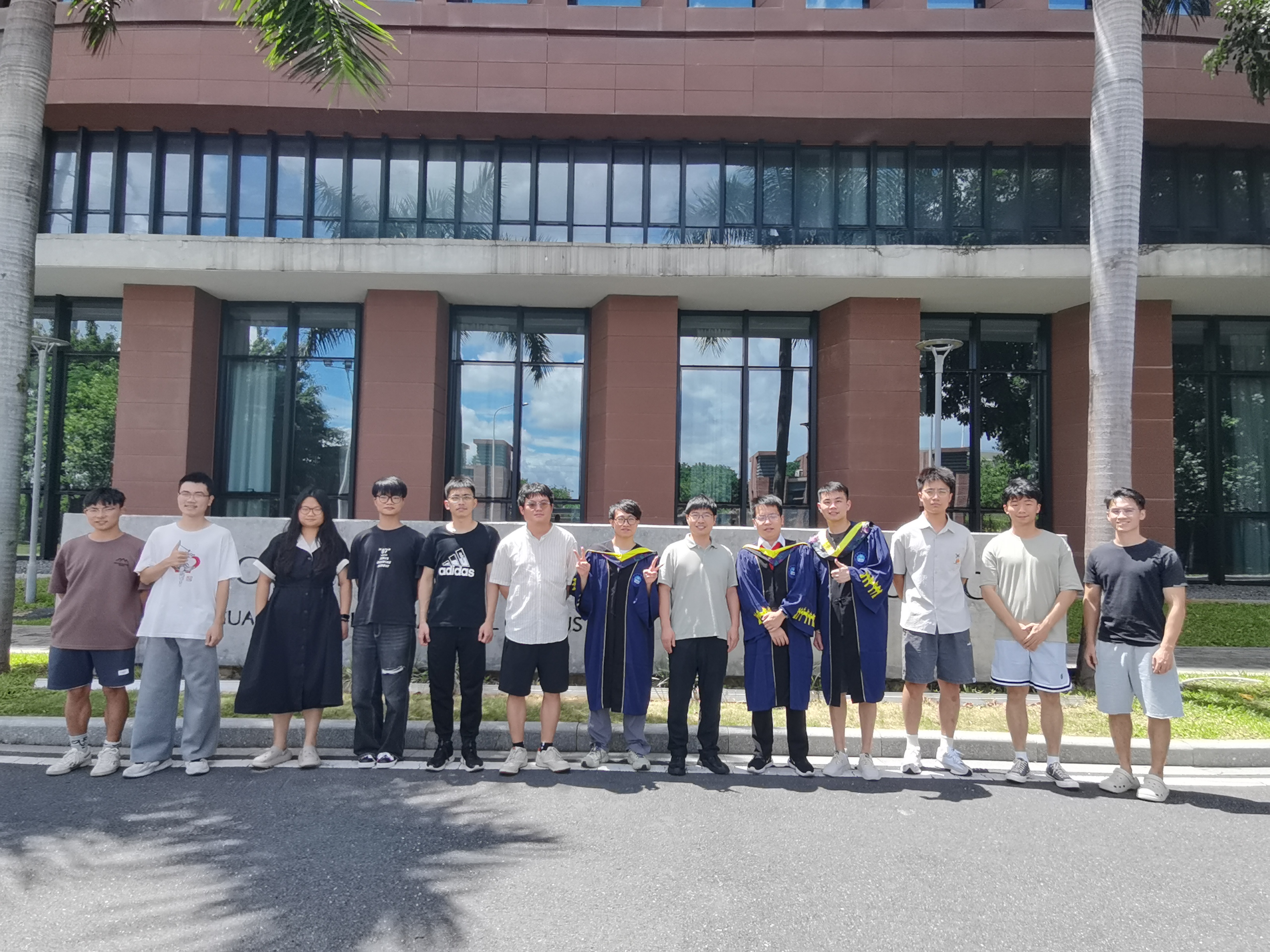
    A vibrant research environment at South China University of Technology, connecting people, ideas, and interdisciplinary collaboration.

  • Neuro-Symbolic Foundations
    Methodology

    Neuro-Symbolic Foundations

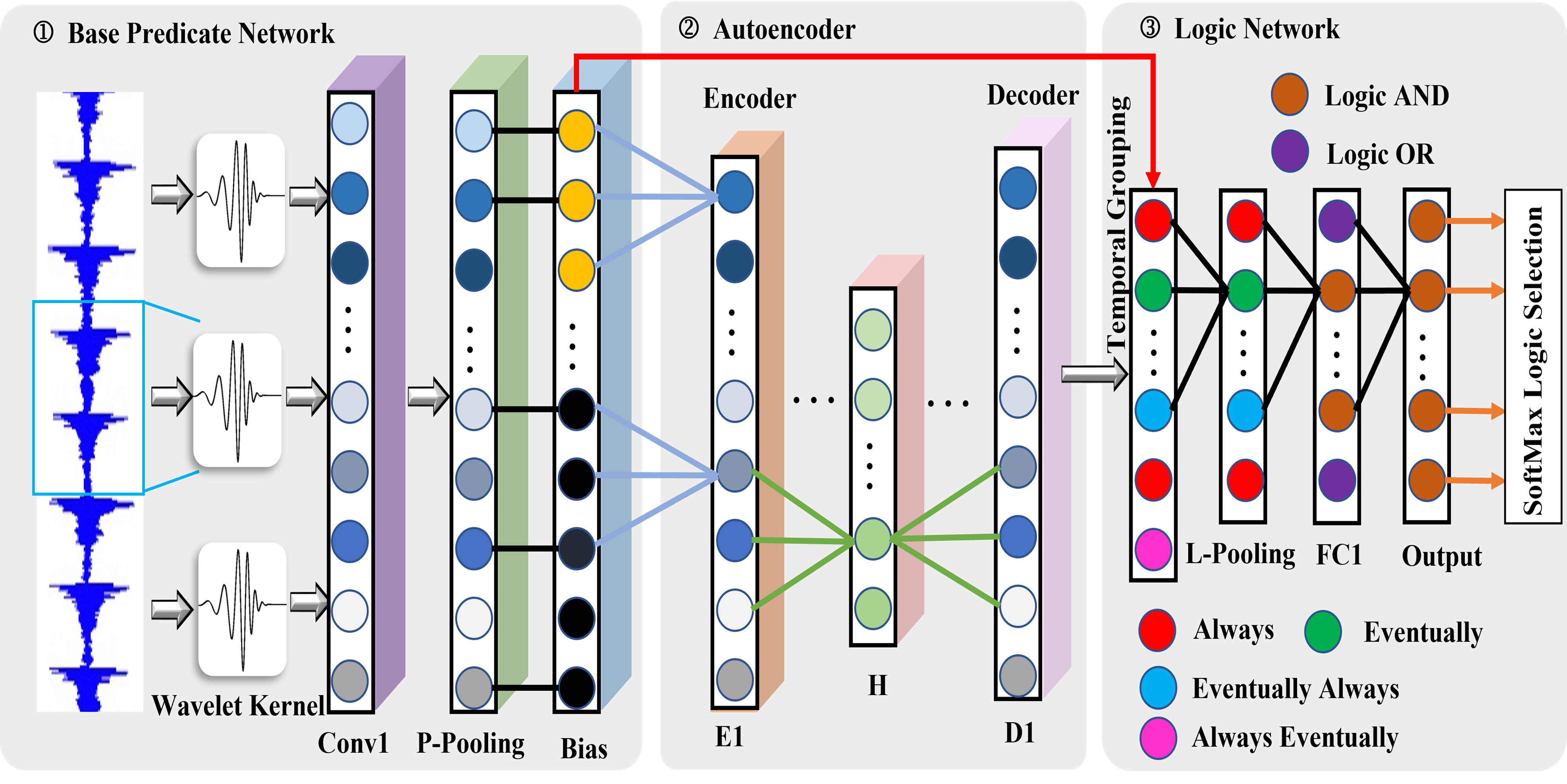
    Multimodal representation learning guided by temporal logic, causal structure, and machine-verifiable semantics.

  • STL-Driven Safe Autonomy
    Autonomy

    STL-Driven Safe Autonomy

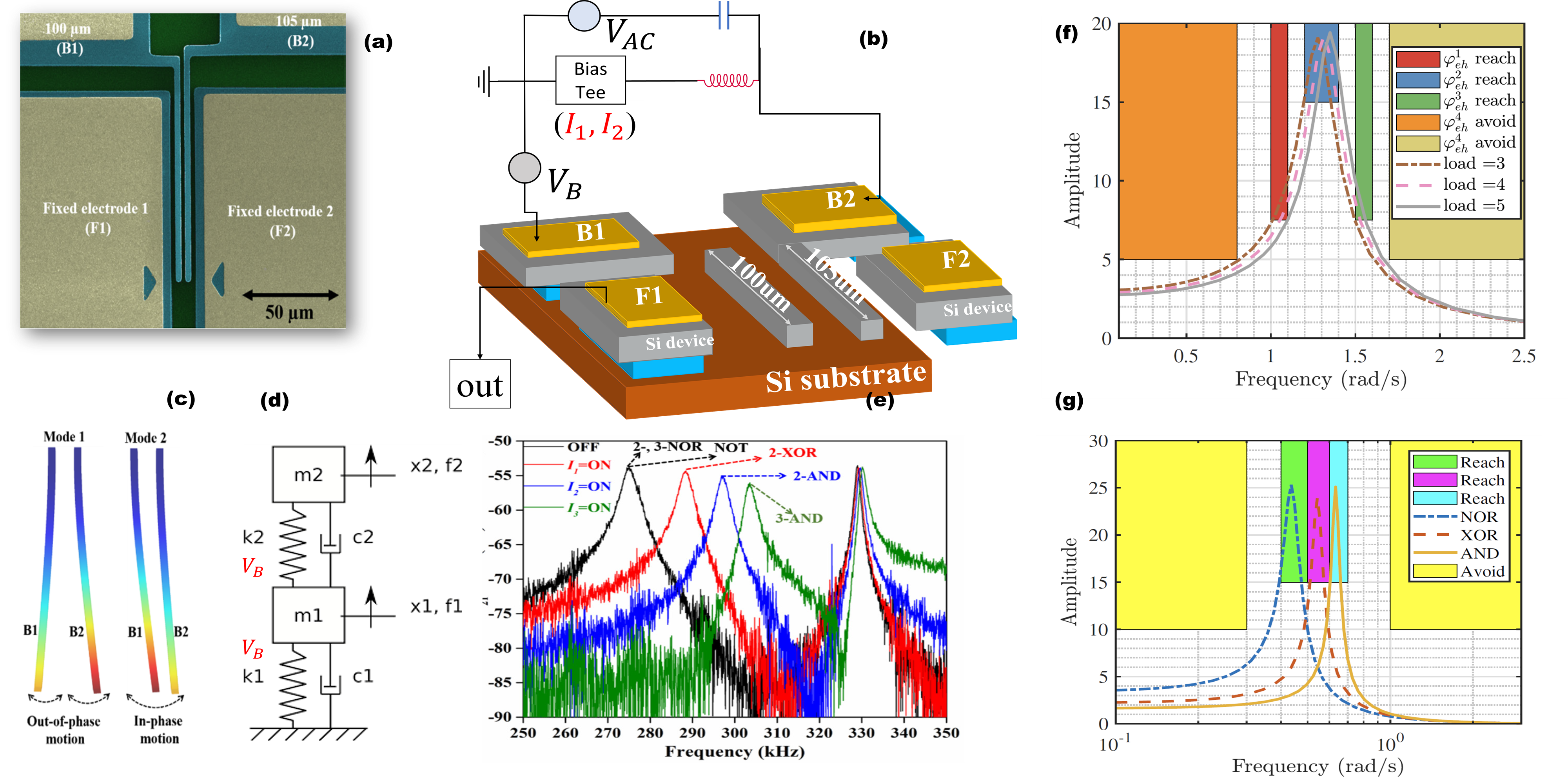
    Planning and control synthesized under temporal-logic contracts for safe and efficient embodied intelligence.

Latest News

Recent updates from the lab

Loading latest news...